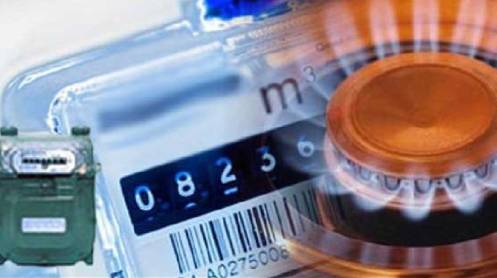
ISLAMABAD: In line with the government’s plan to restructure state-owned gas utilities, the Oil and Gas Regulatory Authority (OGRA) has initiated a review of the existing gas pricing mechanism that allows guaranteed returns on fixed assets, citing evolving gas sector dynamics and ongoing market liberalisation.
The federal government had directed OGRA to restructure the two public gas utilities—Sui Northern Gas Pipelines Limited (SNGPL) and Sui Southern Gas Company (SSGC)—by phasing out the asset-based return model. To this end, OGRA engaged consultancy firm KPMG to evaluate the current pricing formula, and the firm has submitted its report to the regulator.
Following receipt of the initial draft, OGRA has begun consultations with stakeholders and scheduled a public hearing in Islamabad on Friday to solicit views on revising the gas pricing framework.
Since 2018, OGRA has allowed a market-based rate of return on the average net fixed assets in operation of SNGPL and SSGC for each financial year. However, the regulator said that changing demand-supply conditions, price volatility, international benchmarking practices and gradual market liberalisation have necessitated a review of the return on rate (ROR) model through an independent consultant.
“After receiving the first draft report from M/s KPMG, OGRA has decided to hold a public consultation with all stakeholders, in accordance with its approved terms of reference and relevant legal provisions, to ensure transparency and inclusive engagement,” the regulator said in a statement.
The gas utilities have opposed any move to abolish the guaranteed asset-based return regime and have urged the government to continue with the existing pricing mechanism. They argue that several performance benchmarks, including unaccounted-for-gas (UFG) targets, are linked to the current return structure and cannot be separated from it.
Critics from the industrial sector, however, have repeatedly objected to the fixed rate of return, maintaining that utility profits have increased despite declining gas supplies. They point out that continued expansion of the pipeline network has driven up tariffs without addressing persistent gas shortages.
Official data shows that SNGPL’s operating costs rose sharply from Rs66 billion in FY2019-20 to Rs94 billion in FY2023-24, while its earnings increased from Rs19 billion to Rs38.9 billion during the same period, despite reduced gas availability.
Meanwhile, the gas sector continues to grapple with a massive circular debt of around Rs2.6 trillion, which has strained the entire energy supply chain. Liquefied natural gas (LNG) imports have been a major contributor to the debt build-up, as SNGPL is required to make substantial payments for LNG procured through Pakistan State Oil (PSO).
As part of broader reforms, the government has opened the gas market by allowing utilities to allocate up to 35 per cent of their gas to third parties. This has prompted OGRA to receive multiple licence applications from private entities seeking to market gas.
Oil and gas exploration companies have welcomed the increase in third-party gas allocation from 10 per cent to 35 per cent, saying it would improve cash flows by enabling them to secure better prices from private buyers. They have also warned that persistent circular debt has constrained their liquidity and slowed the pace of development and exploration projects.